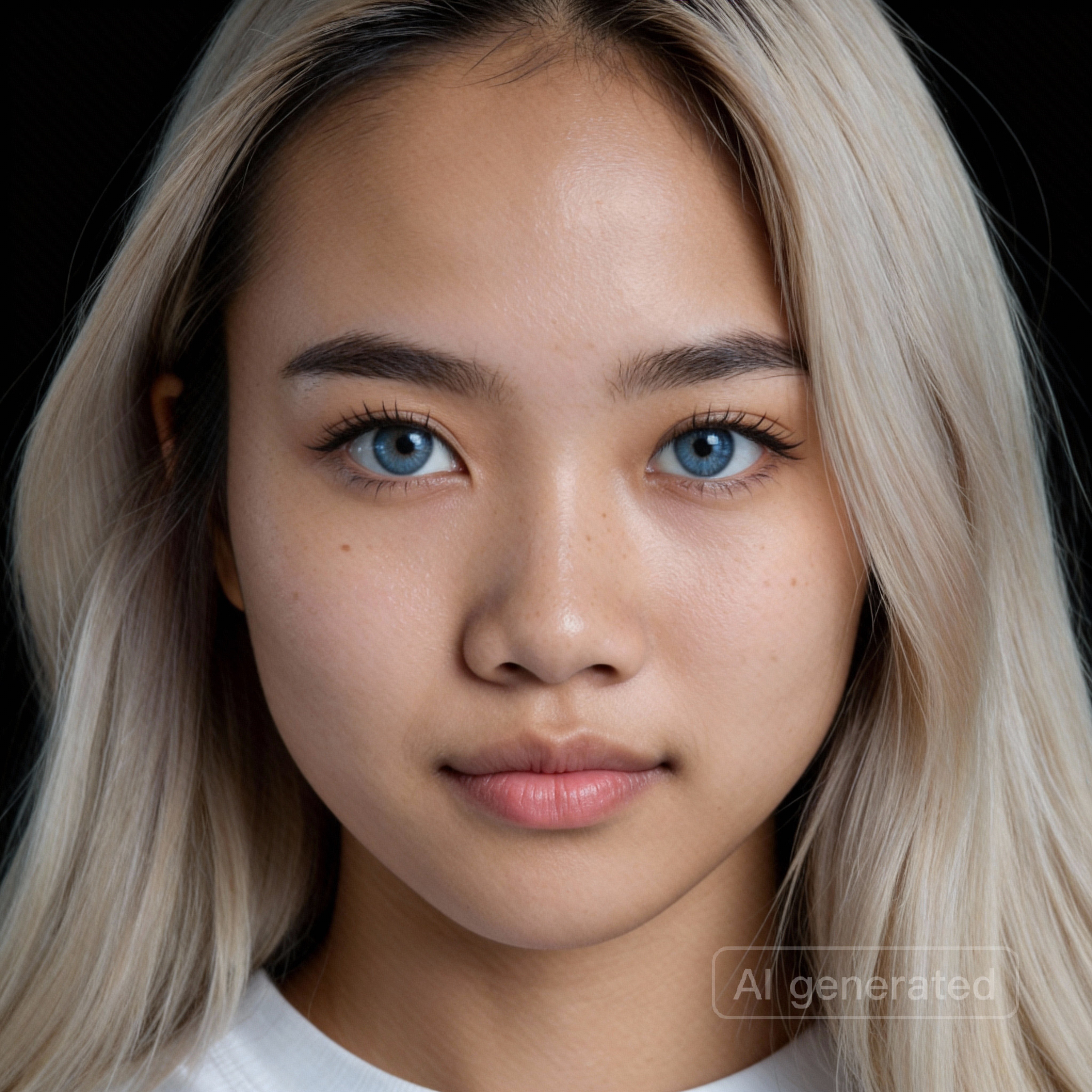
AI influencers are no longer experimental side projects. In 2026, virtual models, digital creators, and AI-powered characters are building real audiences, landing brand deals, and generating revenue across platforms like Instagram, TikTok, and X.
But there’s one major problem most creators run into:
The face keeps changing.
If you’ve ever tried to create an AI influencer using tools like Stable Diffusion, Midjourney, or other image generators, you’ve likely noticed the issue. You generate one perfect image — then the next one looks like a cousin. Slightly different eyes. Slightly different nose. Different bone structure. The identity drifts.
This guide will show you how to create an AI influencer properly — and more importantly, how to keep the character consistent across hundreds of images.
What Is an AI Influencer?
An AI influencer is a fictional digital character generated using artificial intelligence tools. These characters can look completely photorealistic and are used for:
Instagram and TikTok content
Virtual modeling
Storytelling and world-building
Brand promotion
Monetized subscription platforms
Digital marketing campaigns
Unlike traditional influencers, AI influencers don’t age, don’t get tired, and can appear in unlimited scenes, outfits, and environments.
But realism alone isn’t enough. Identity consistency is what turns a random AI face into a recognizable brand.
Step 1: Define the Character Clearly
Before generating anything, define:
Face structure
Age range
Ethnicity
Eye color and shape
Nose shape
Lip fullness
Hair style and color
Body proportions
Most creators skip this step and rely on prompting alone. That’s why identity drifts. AI models are probabilistic — not memory-based.
If you don’t lock the character structure early, the model will reinterpret features every time.
Step 2: Generate a Strong Reference Image
You need one clean, neutral, high-quality reference image of your character.
Best practices:
Neutral lighting
Clear face visibility
Minimal extreme expressions
No heavy shadows
Realistic proportions
This reference image becomes the “identity anchor” of your AI influencer.
Without this anchor, you’re generating variations — not building a character.
Step 3: Train a Character Model (Critical Step)
This is where most AI influencer attempts fail.
Using generic prompting in Midjourney or Stable Diffusion does not permanently lock identity. Even repeating the same prompt will not guarantee the same person.
To achieve real consistency, you need to train a character-specific model — often through LoRA (Low-Rank Adaptation) training.
LoRA training allows the system to learn the specific facial structure, proportions, and identity traits of your character.
Once trained, the AI no longer “guesses” who the person is. It generates that person.
This is the difference between:
“An AI girl”
and“Your AI influencer”
Step 4: Test Identity Across Variables
A properly built AI influencer should remain consistent across:
Different poses
Different lighting conditions
Indoor and outdoor scenes
Different outfits
Different camera angles
Close-ups and full body shots
If the face subtly changes in each variation, your character isn’t truly trained — it’s just being approximated.
Consistency is what makes followers recognize the character over time.
Why Most AI Influencer Tools Fall Short
Many popular AI image generators are optimized for:
Creative diversity
Speed
Aesthetic quality
Viral experimentation
They are not optimized for identity persistence.
That’s why users often say:
“It looks similar, but it’s not exactly the same.”
For hobbyists, that’s fine.
For branding or monetization, it’s a deal-breaker.
Where Sameface Fits In
Sameface was built specifically to solve the identity problem.
Instead of relying only on prompts, it allows you to:
Generate a structured character reference
Train a private identity-preserving model
Lock the character permanently
Generate unlimited variations without face drift
The goal is simple:
Train once. Use forever.
The character remains recognizable even as scenes, outfits, moods, and camera setups change.
This makes Sameface especially useful for:
AI influencer builders
Virtual model creators
Digital storytellers
Content agencies
Creators monetizing character-driven content
It removes the technical barrier of managing LoRA workflows manually, while keeping the control power users need.
Who Should Create an AI Influencer?
AI influencers are ideal for:
Creators who want scalable content
Brands experimenting with digital ambassadors
Story-driven content creators
Entrepreneurs testing virtual identity monetization
Developers building character-based projects
However, consistency is essential. Without it, audience trust never forms.
People don’t follow random images.
They follow recognizable identities.
Final Thoughts
Creating an AI influencer in 2026 is easier than ever. But creating a consistent, reusable, brand-ready AI character still requires the right approach.
The key principles are:
Define structure clearly
Generate a strong reference
Train identity properly
Test consistency across scenarios
When identity stays locked, everything else becomes scalable.
And that’s when an AI character becomes more than an image generator experiment — it becomes a long-term digital asset.